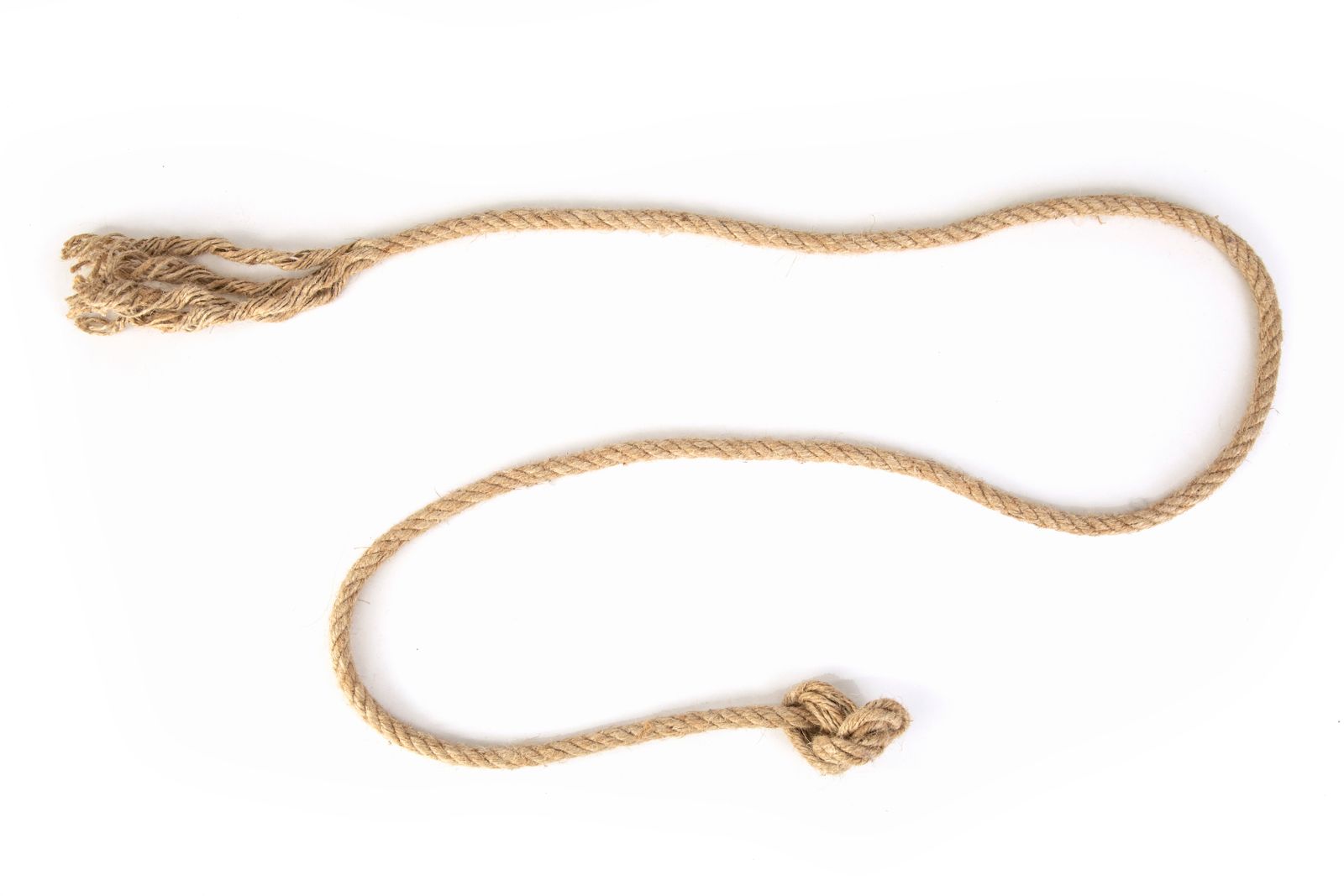
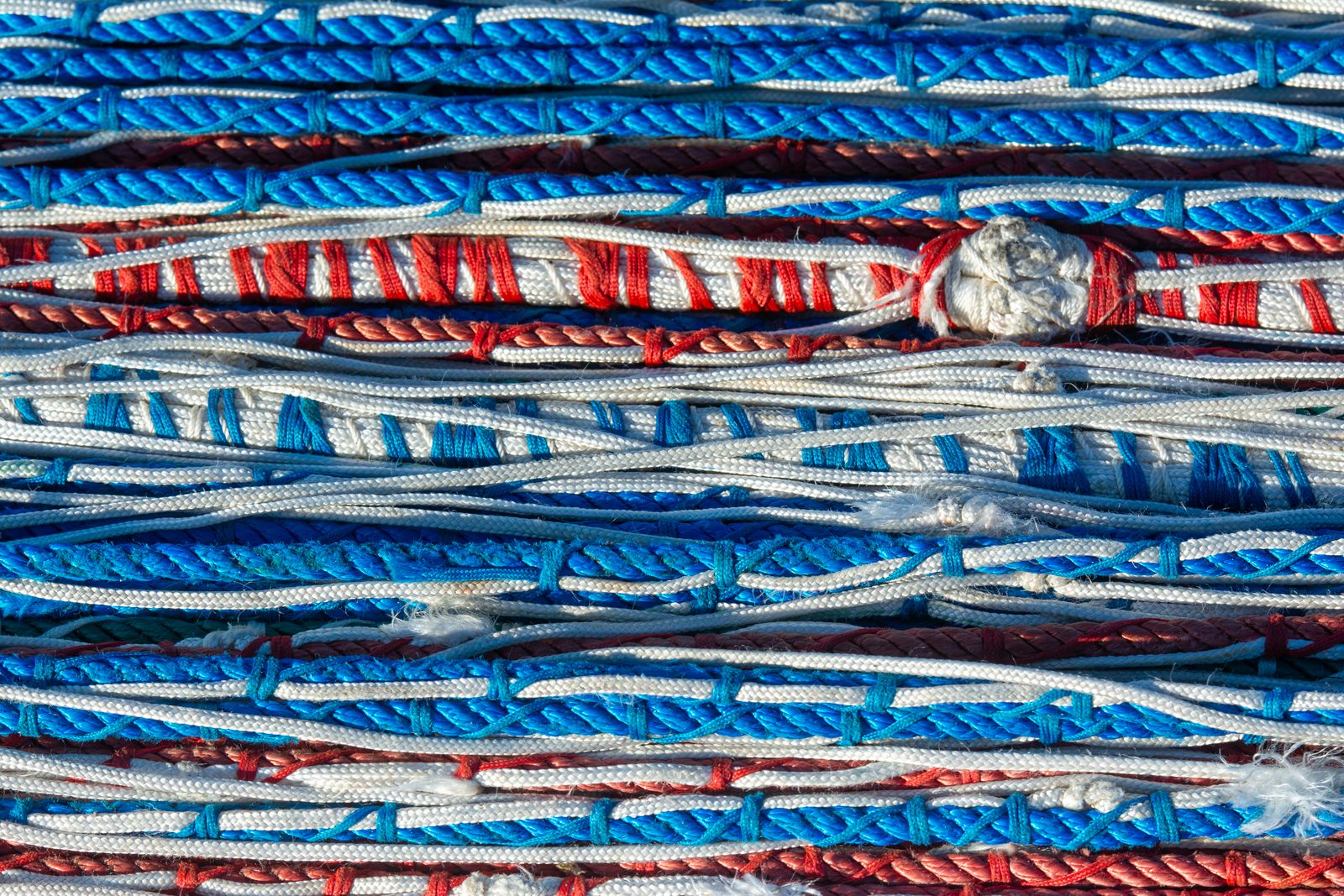

Mass production has turned ropes into uniform, lifeless plastic strings that stretch, slip, and snap under real pressure. Synthetic cords lack grip, smell of industrial chemicals, and degrade rapidly in direct sunlight. Real work requires materials with character, history, and physical integrity.
Viewzelix brings back the old craft of making traditional hand-twisted ropes from raw hemp, jute, and flax fibers. Every single cord leaving the workshop carries the tension of human hands and the distinct qualities of natural plants. Selecting the right fiber changes how the rope behaves in practice, whether it holds a sail, secures cargo, or builds an interior design structure.
The Nature of Hemp, Jute, and Flax
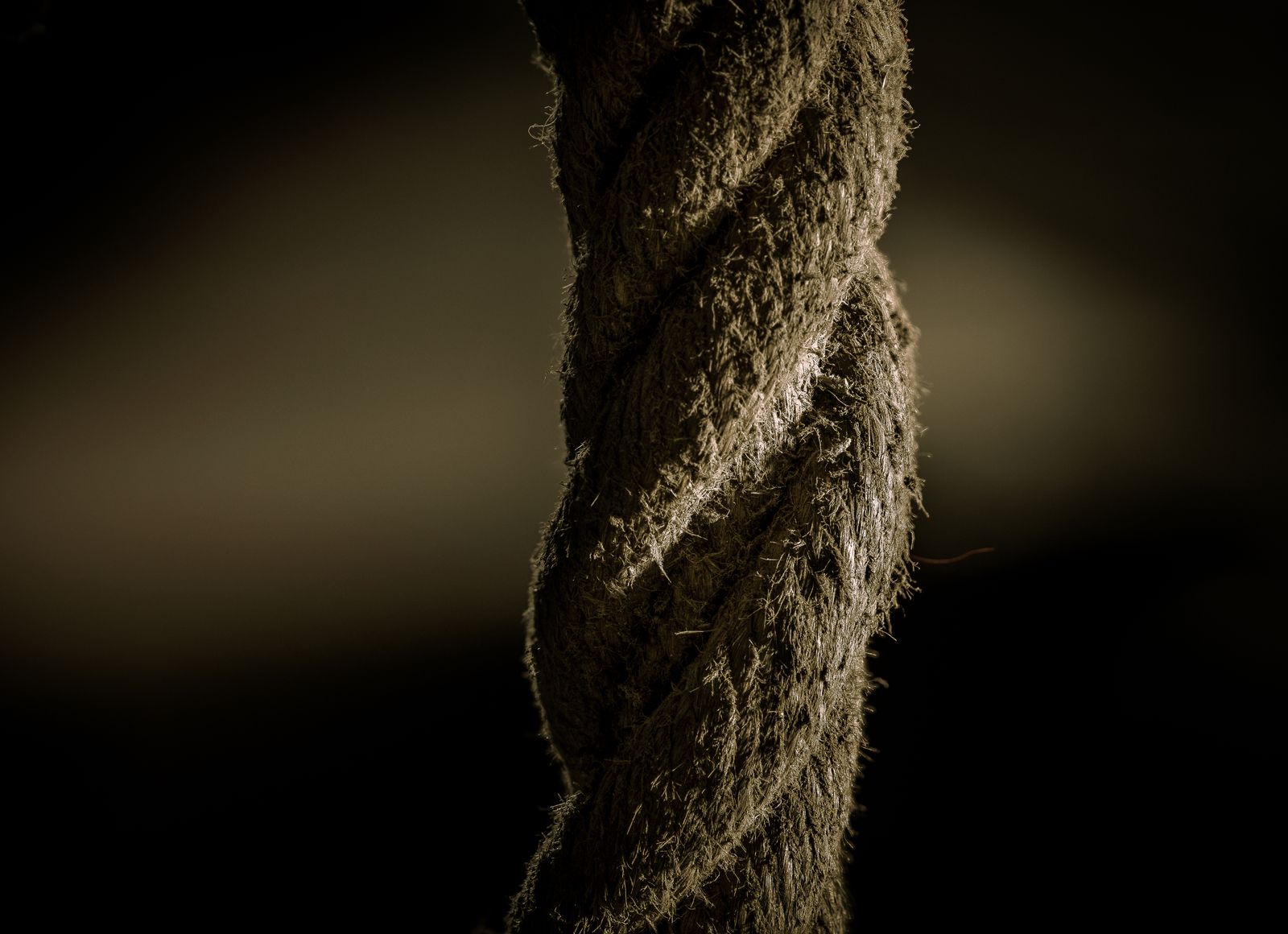
Hemp remains the undisputed king of durability among natural fibers. It resists moisture, handles punishing friction, and actually grows stronger with age and weathering. Workers rely on hemp when failure is simply not an option.
Jute offers a softer touch and incredible flexibility while maintaining a reliable breaking strain. It bends easily around corners and knots securely without biting into surfaces. Flax brings a fine, silky sheen paired with high tensile strength, making it the preferred choice for delicate rigging and decorative finishes.
Combining these plants creates hybrid ropes tailored to exact environmental conditions. Natural fibers breathe, absorb oils well, and do not melt under sudden friction heat like modern synthetics do.
The Art of Manual Twisting
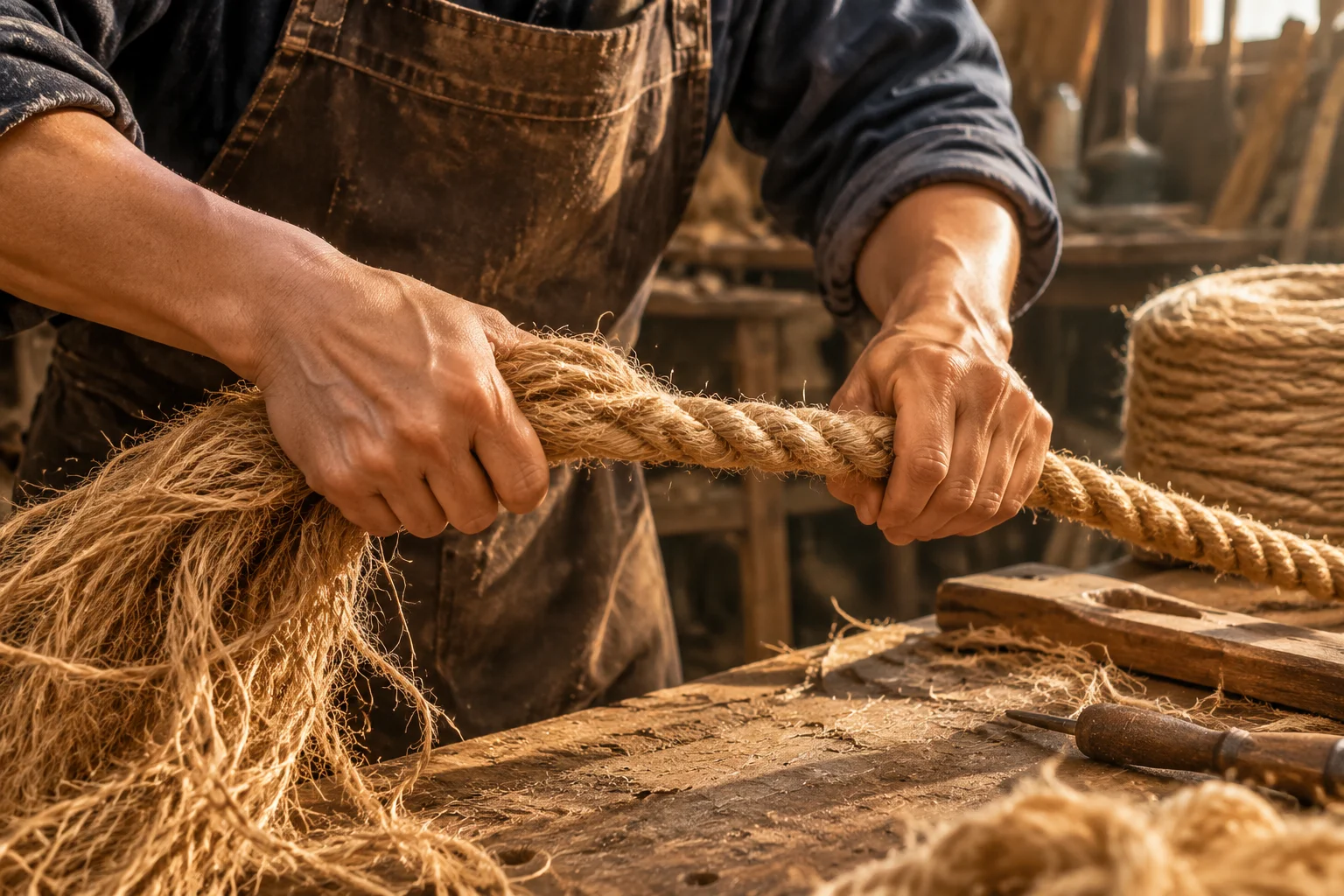
Machine twisting relies on speed, forcing uniform tension across every batch regardless of flaws in the material. Hand-twisting works differently, allowing the artisan to feel the resistance of individual strands and adjust the pressure on the fly. This tactile feedback prevents weak spots and distributes stress evenly throughout the core.
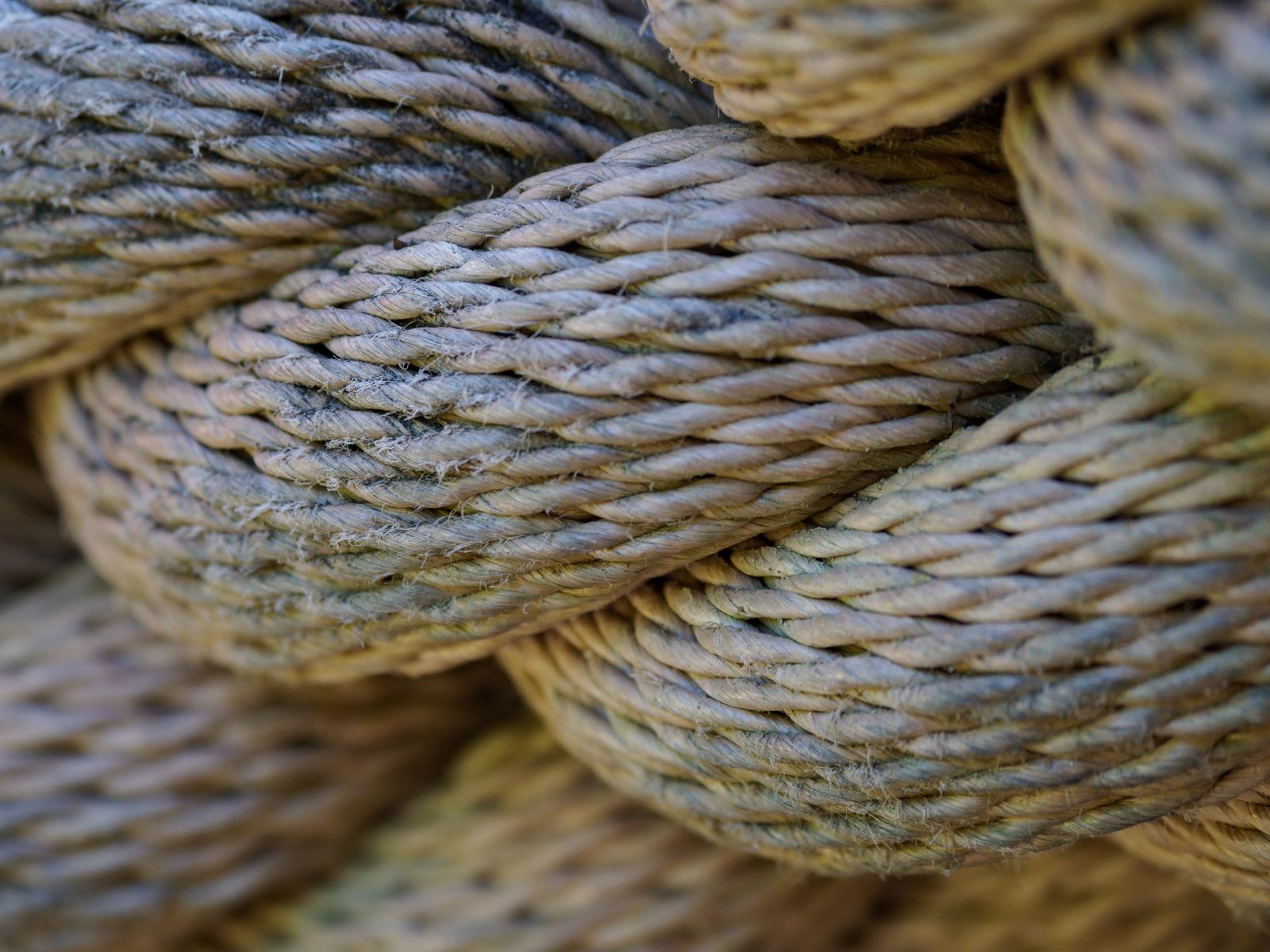
The process starts with combing raw bundles to remove short hairs and align every filament in the same direction. Strands are then spun into yarns, and those yarns are laid up into robust multi-strand ropes. The tightness of the lay determines whether the cord stays flexible or turns rigid and load-bearing.
- Inspect every raw fiber bundle for natural oils and length uniformity
- Comb the fibers manually to eliminate tangles and loose debris
- Spin individual yarns with consistent rotational speed
- Combine yarns into precise three-strand or four-strand configurations
- Apply controlled tension during the final closing stage
- Test sample sections for breaking strain and elasticity
Choosing the Right Thickness and Lay
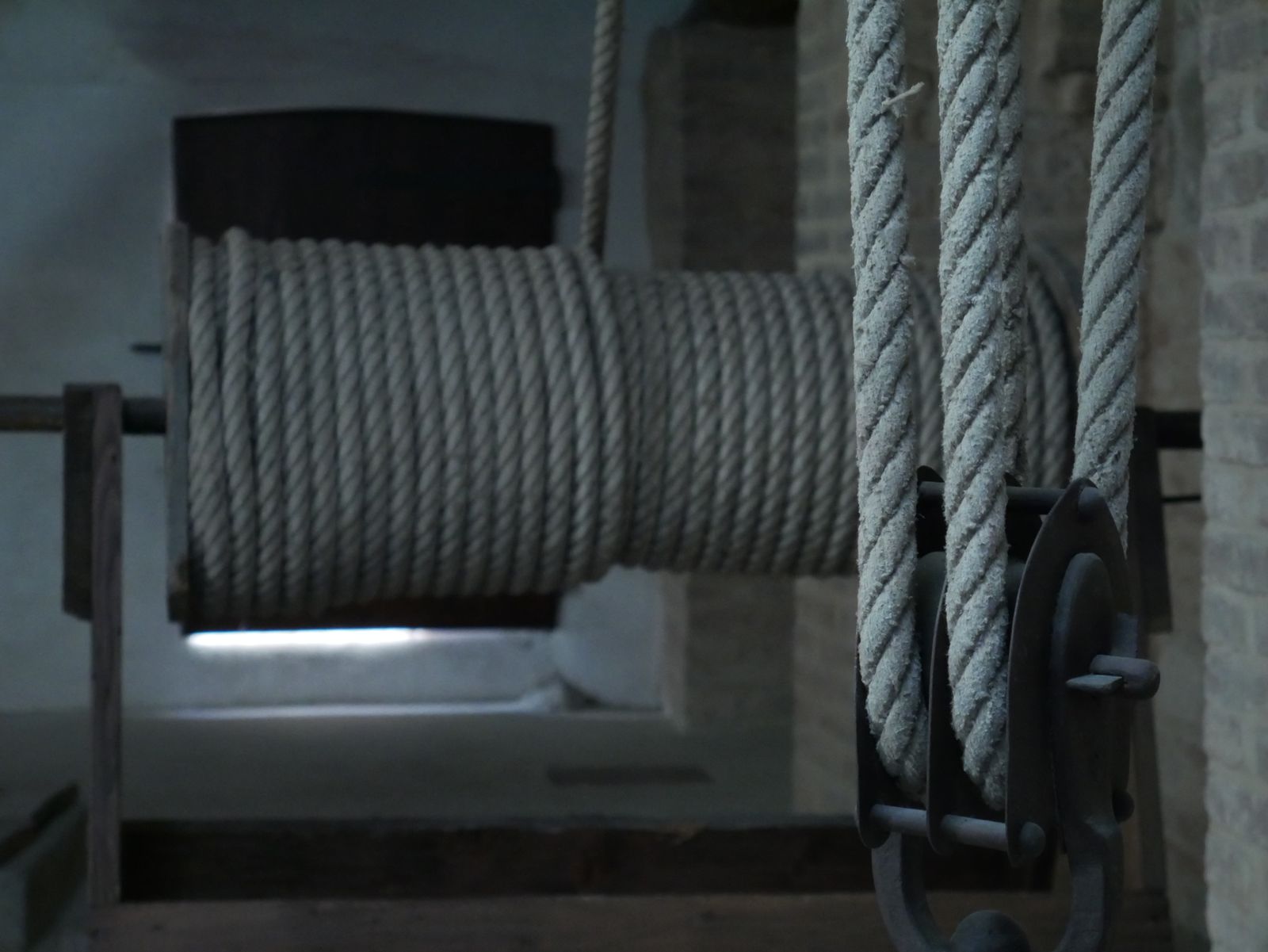
Thickness dictates handling, weight capacity, and knot retention. Thin cords work well for detailed crafts and light binding, while thick hawsers anchor heavy timber and pull loads across rough terrain. Matching the diameter to the task prevents wasted material and structural failure.
The lay of the rope affects its stiffness and elongation. A hard lay resists abrasion and holds its shape in wet conditions, whereas a soft lay cushions loads and ties faster knots. Understanding these nuances helps operators pick equipment that performs reliably day after day.
Preserving Natural Cords for Decades
Natural fibers require basic maintenance to survive decades of heavy use. Storing ropes in dry, well-ventilated spaces prevents mold growth and fiber rot. Cleaning off mud and salt water with fresh water keeps grit from cutting into internal strands.
Applying occasional treatments of linseed oil restores natural moisture and waterproofs the exterior. Checking cords regularly for signs of wear ensures safe operation before any fraying turns into a break.
Viewzelix continues a centuries-old tradition by turning honest plants into dependable tools. When you hold a hand-twisted rope, you hold patience, strength, and practical craft made real.